EAR•WAX Newsletter 002 | July 2026

Tracklist:
- Songs of July - New Music Playlist
- On Psyops, Plants, and Polka-Dots: Marketing Music in the Age of Scam Culture
- Oliver Morris on Angine de Poitrine's Sarniezz
- Rhianna Stephenson’s review of the Higher Grounds audio fiction podcast
- Music Memes of the Month: Inzanely Rejected Angine de Poitrine Memes
- Coming Up on the Flipside
- August 5th - Infinite Mixtape: Episode 1 - Introduce Yourself
- August 12th - Drama Club: Episode 1 - Loudness
Support us on Patreon and I'll send you a coupon for free Sargento cheese. I'm not kidding.
Lots of Great Music Came Out in July - Here’s a Playlist!
Or listen on:
On Psyops, Hype, Industry Plants, and Polka-Dots: Marketing Music in the Age of Scam Culture
by Jeff Van Dreason
Elvis Presley died in 1977. When asked about it, Johnny Rotten (John Lydon) famously responded: "Fuckin' good riddance to bad rubbish. I don't give a fuckin' shit, and nobody else does either."
But Rotten and Presley had a lot in common—namely, a manager who exerted too much control, and a penchant for self destruction.
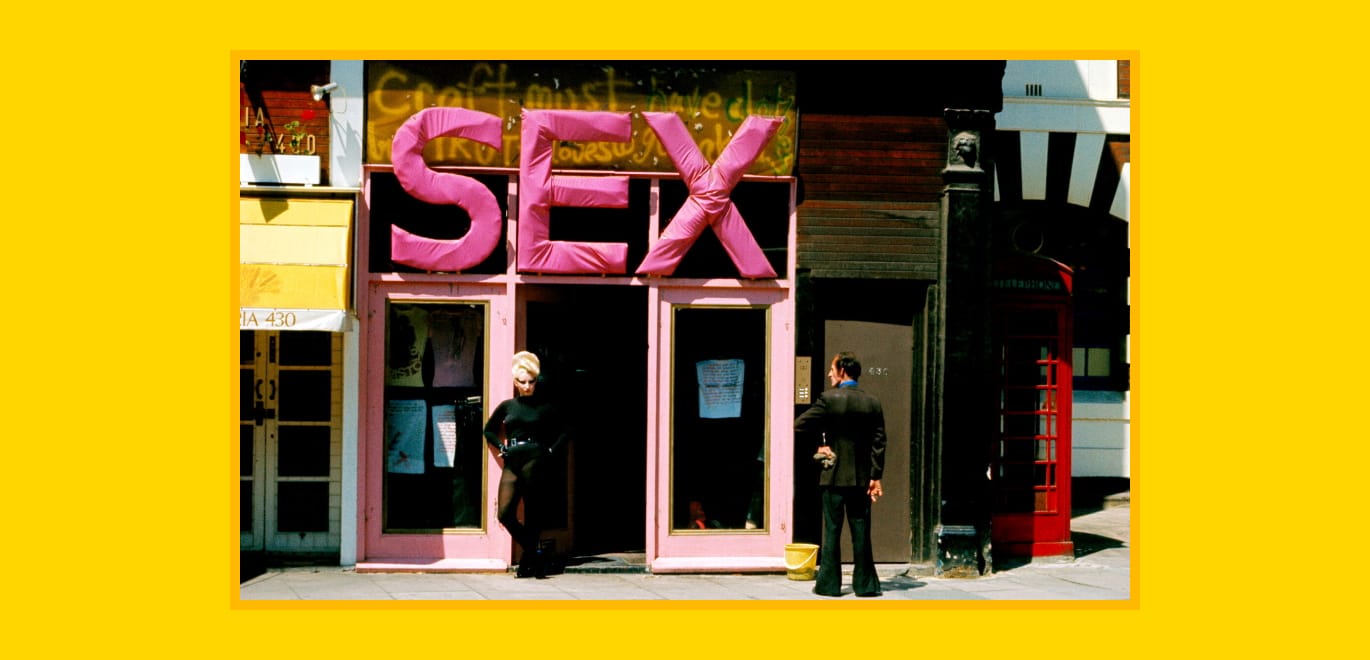
The truth is, the Sex Pistols were industry plants. Malcolm McLaren formed them to sell clothes at his SEX boutique, co-owned with designer Vivienne Westwood. Steve Jones had never played guitar before joining and took a crash course in three months on a steady diet of black beauties. The best musician in the group, Glen Matlock, was eventually replaced by Sid Vicious. Steve Jones admits that the whole con was to sell clothes for SEX—both to the band and then to their fans. Vicious—a former fan and customer of SEX—crossed over to become a member of the band. McLaren was selling the idea that anyone could be a Sex Pistol if you were outrageous enough and purchased the right uniform. And it worked.
Yet the greater narrative is that the Sex Pistols led to the creation of punk, a movement grounded in DIY ethics, anti-capitalism, and anti-establishment authenticity. But reality is more complex. Before Joe Strummer was the leader of the Clash, he was a folk hippy who called himself Woody, in honor of Guthrie, and later played in a rockabilly band. The Sex Pistols happened, the Clash were constructed, and the rest is history.
This is not to lay judgement on the quality of the music. Only to question the idea of authenticity connected to a movement that safety-pinned it together and packaged it in spit and snot.
The myth of punk's authenticity is a lie we tell ourselves. But the real lie is that this "authenticity" never mattered. The reason punk was powerful wasn't about the clothes or the cons, but about the energy it tapped into—capturing a restlessness stemming from frustrations with a disengaged government, stuffy culture, and outdated ideas that many people were simply exhausted with.
Getting Killed by Getting Killed Takes
And here's what I'm currently exhausted with: articles about bands being called industry plants, or worse, psyops. These music articles aren't about music at all, but how music is sold to us. As if that's new. Elvis was sold to us. So were the Beatles, the Clash, and the Sex Pistols. Why is this news? Why do we care? Why are we spending so much energy on authenticity at a time when virtually nothing is authentic?
This brings me to today's version of this tired debate.
There have been approximately one million, three-hundred and seventy-two blog articles about Geese this year, and given the surprising popularity of their third album Getting Killed, the hot take machine started pumping furiously. Reports that the album was marketed by a company called Chaotic Good, which used algorithm hacking to create the illusion of organic virality, didn't help.
I do not care.
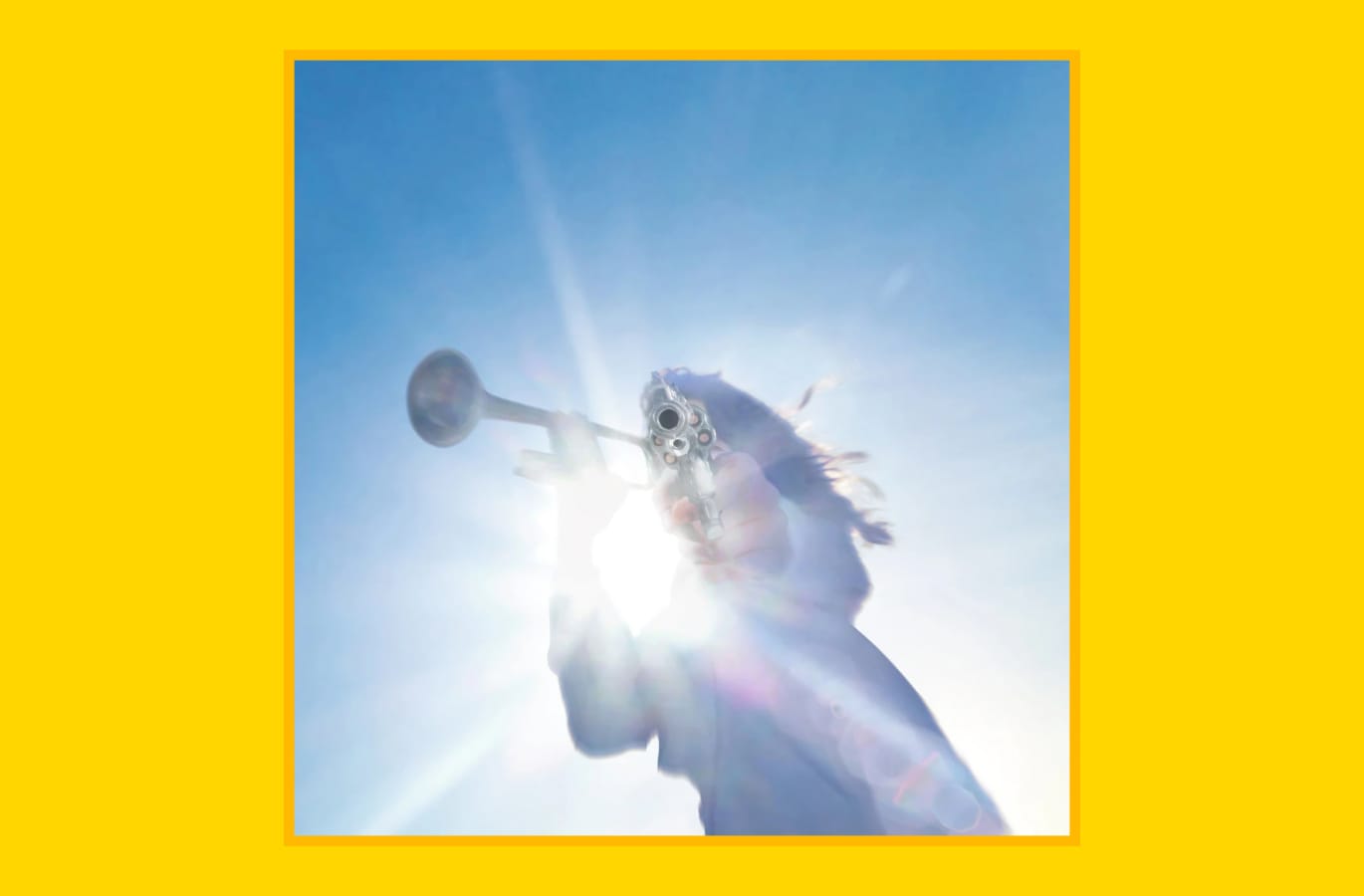
I like Getting Killed. Part of the reason is that it feels of-the-moment in a way punk did in the 70s. It sounds both exhausted and anxious. One moment, lead Goose Cameron Winter is shouting "There's a bomb in my car!" and a few songs later he's sleepily crooning to a lover that she can tame cobras like the best snake charmer ever. But she also could be the shame's only daughter. The lyrical contrast—slipping between compliments and disparaging remarks—fits the musical style, with piano and guitar lines blending over a bubbling bassline. The first cymbal crash doesn't come until the song starts to build, and it does build in a surprising, moving way. The cover art, an angel with a trumpet in one hand and a gun pointed at you in the other, is both beautiful and apocalyptic. The music feels similar.
Getting Killed wasn't my favorite album of last year. It might not even be in my top ten. But I enjoyed it on its own merits, and I am tired of the false narrative about the hype. My first reaction was "why does this have so much hype attached to it?" Not that it was bad—it was just…weird.
Is Geese a psyop? Of course not, not anymore than artists like Chappell Roan, Ice Spice, Lana Del Rey, Doechii, Yungblud, or Billie Eilish are industry plants. Terms like "psyop" and "industry plant" suggest a level of inauthenticity leveraged at artists who didn't earn their success the right way. To which I say:
Who gives a shit?
My brothers and sisters in Christ, it is 2026. Do you know how hard it is to make an impression on people? Just an impression. If you're so simple minded that a fancy marketing campaign convinces you a band was good, that's not really the band's fault. Were there teenage girls who loved the Beatles more because of their haircuts and suits? Sure. Does that mean they weren't the most beloved band of all time mostly on the strength of their music? Of course not. Elvis's R&B sold to a white audience. Punk was sold as anti-establishment chaos to disaffected youth. Olivia Rodrigo is sold to emotional teens and their dads who still love pop punk. It's not how we discover the sale, it's what we decide to do with it.
Polka-Dot Plant Pain
And this isn't just about major-label campaigns. It's happening at every level.
I made a meme earlier this year about masked, polka-dotted microtonal monsters Angine de Poitrine. If you've been on social media the past year or two, you've seen a video of them playing their unique blend of math rock. The takes range from they have redefined music to they are just another talentless psyop, which is ridiculous. The duo layers guitar and bass lines with excellent timing. Sure, the double fret guitar and bass is looped through pedals, but that doesn't mean they're not playing it, and the drumming is perfectly timed with their abrupt time signature changes. They worked on their craft for years. They released their second album this year. They're doing all this behind crazy outfits and MASKS!
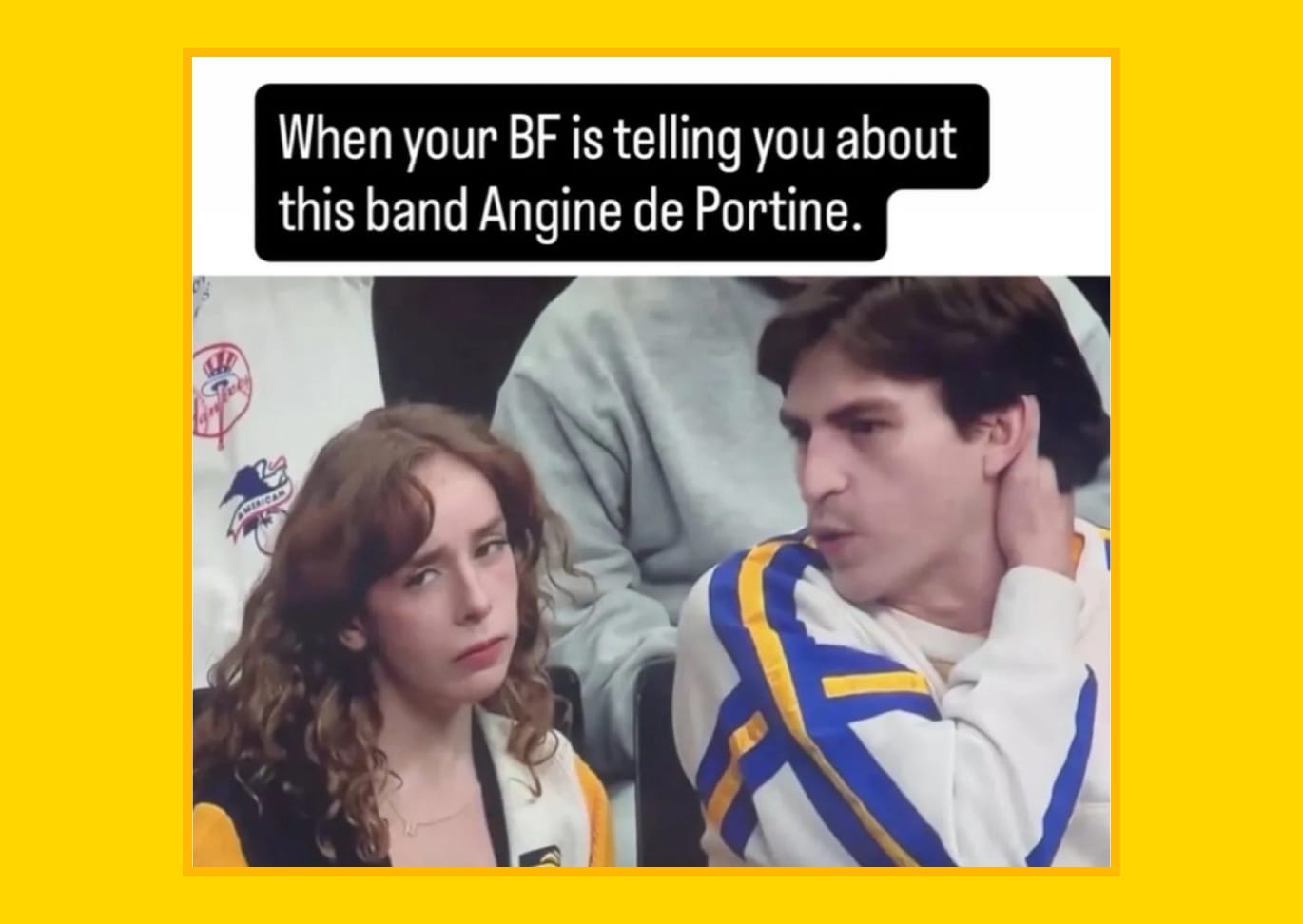
My meme did zero traction beyond being picked up by fellow music writer Gabbie in her excellent newsletter New Bands for Old Heads (which I highly recommend). Maybe I should have hired Chaotic Good. Or maybe it’s just not funny? Maybe it’s because I spelled the band name wrong (an intentional mistake that I wanted to be part of the joke). No matter, I made it as a lark because for a while there you couldn’t escape the idea that Angine de Poitrine was the Geese of 2026. Men especially loved geeking out about them, just like they did for Geese. And let’s be honest, it’s always funny when men flip out about anything, let alone two Quebecian musicians playing experimental math rock wearing ridiculous outfits.
But the hype is real. When I tried to see if I could get tickets for Angine de Poitrine in Boston, the show sold out minutes after it went on sale, and this is after the venue moved from a capacity of 1200 to one nearly three times the size.
I think the popularity of the duo speaks to a desire audiences have for seeing something different. We are inundated with so much information, and everything has become marketing to the point where it takes a lot to stand out. This is the root of why a company like Chaotic Good exists. You can debate the merits of being able to afford a marketing company like that, and how that creates a disparity between the haves and have-nots, but that disparity has also existed forever - nepotism is far from a new concept. Neither is generational wealth. And in the case of Angine de Poitrine, their hype stems from their outlandish costumes and genuine chops. Who wouldn’t want to see something like that in the flesh?
Get Your Talons Off Your Trial Reels
Talon are a lesbian grunge-pop band from New York City who put on a great live show. They're smaller, just starting out, with one debut LP and a new single coming out at the end of the month called Britney Spears. Lead singer MK recently used a trial reel to promote a small east coast tour and was met with wild pushback. One person advised them to just stay home. Another accused them of paying for fake accounts to leave comments. Trial Reels is a tool Meta has for creators to reach people who don't follow them. If we're at the point where that's treated with suspicion, what are we doing here?
We have to ask ourselves a question: Do we want new music from emerging artists?
If so, it's time to retire the idea that all the good cream rises to the top without the most basic social media tools, or even gimmicks like polka-dot outfits and campaigns like Chaotic Good. Nobody is forcing anyone to like music. You have free will. But if you hate being sold things, get off the internet. That's what it's for.
This is not to say we shouldn’t be discerning. Have you ever heard of a band or artist that you just don’t like and can’t understand the hype? Hell, maybe you feel that way about some of the artists I mentioned in this article, and maybe some of them were rammed down your throat by a paid influence, as this recent article pointed out. Gross! For the record, we desperately need money to make EAR•WAX work, but we’ll never be pay-to-play.
And still, obsession with "authenticity" was always a fiction, and it's become a corrosive one. It distracts us from the only question that's ever mattered: Does the music move you? The Sex Pistols moved people because they captured something real, not because they were real. Geese, Angine de Poitrine, and Talon are doing the same thing in their own ways, with their own tools. The packaging changes; the hunger for something that sounds like now doesn't.
So let's retire the psyop discourse. Let's stop pretending we're detectives uncovering conspiracies and start being listeners again.
I have a lot more to grumble about this—including a deeper dive into Getting Killed, the Angine de Poitrine hype, and why the Talon trial reel backlash perfectly sums up everything wrong with music discourse right now. [Read the full piece HERE]
Speak of the Devil: Oliver Morris on Angine de Poitrine:
Angine de Poitrine - Sarniezz
by Oliver Morris
The French Canadians that make everyone drop what they’re doing to stare transfixed at their polka-dot visage. I’ve heard it described as babies' first microtonal band, but there’s more to it. The feel is crisp, tight, and funky as fuck, while also having a certain squigglyness. They fiddle with time signatures and intonation, but it’s all in service of the groove. This song will get stuck in your head, you will find yourself transfixed while it plays, and you will annoy all your King Gizzard friends who’ve been trying to get you into this scene for Y E A R S. The video is a must for Podophiliacs but not Trypophobics.
Higher Grounds: audio fiction review
by Rhianna Stephenson
In 1993, rock singer Elle Harrison (Katy Yoder) was found dead at the Nashville coffee shop she ran with her three best friends. Thirty years later, a reporter interviews the women left behind to find out what really happened to Elle. This story follows these musicians’ lives, dreams, and choices, from their childhood friendship to the day things fell apart. Produced by YellaBird Media and written and directed by Kimberly Conway, Higher Grounds is a prestige television-style podcast about women who survive. It’s ideal for book lovers, commuters, and women who wish QCODE Media made more fiction dramas.
It begins with the report of Elle’s death. Thirty years later, a reporter arrives at the Higher Grounds coffeehouse and the interviews begin. Sylvia Richardson (Laura Jane Jones), Roz Mitchell (Janice Lynn Sykes), Joni McKay (Cynthia Ergenbright), and Elle became friends as children from very different backgrounds. As they retell their lives, every character, from shy but talented Roz to charismatic Sylvia, protective Joni to child-star Elle, all come across as both glamorous and grounded.
The interview format lets the characters reflect on their history artistically, without overexplaining what they see. It’s unusual for a fiction podcast in some ways, with straight protagonists and personal stakes, but the characters’ relationships are its greatest strength. The loyalty between these four friends, their relationships with each other’s families, and Sylvia and Charles’s (Gervais Weekes) beautiful romance make the story engaging. Quiet tragedies and joyful victories alike feel believable (and hit hard) because the characters themselves do. Even though it takes a long time to get to Elle’s death, and she feels like a fairly minor character for the first few episodes, it shows how much their lives mattered.
With multiple people working on audio, Higher Grounds also benefits from a professional theme song and natural sound design. There are enough sound effects to let listeners sink into the moment, without forgetting that they’re hearing memories. It’s not surround sound; there’s no confusion of whether the noise you heard was in real life or not, but it’s good. On the other hand, there’s surprisingly little music for a podcast about musicians, and Higher Grounds often feels like the creators wanted to make a TV series instead. YellaBird describes itself as “cinematic” and the Centennial Park Parthenon, coffeehouse, and characters beg to be shown onscreen. Still, it’s a good entry point for listeners new to fiction podcasts. [Read more of this review HERE]
Music Memes of the Month:
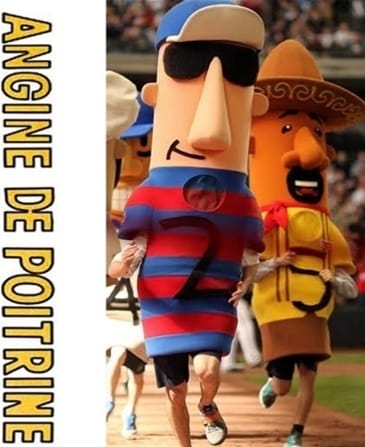
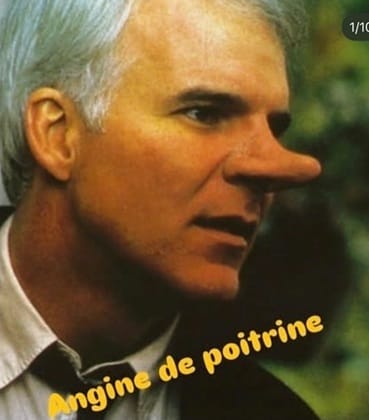
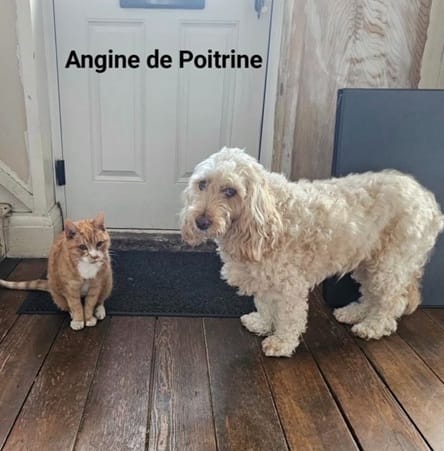
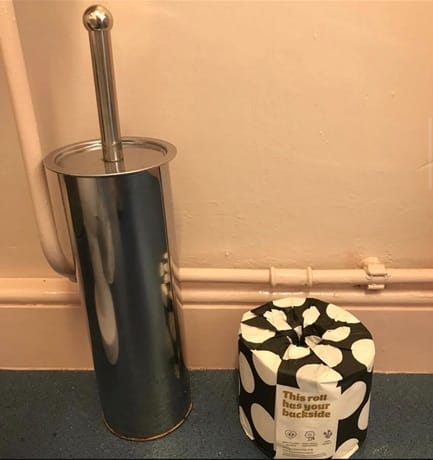
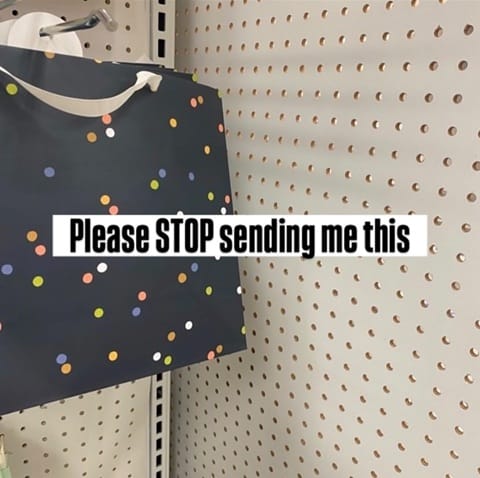
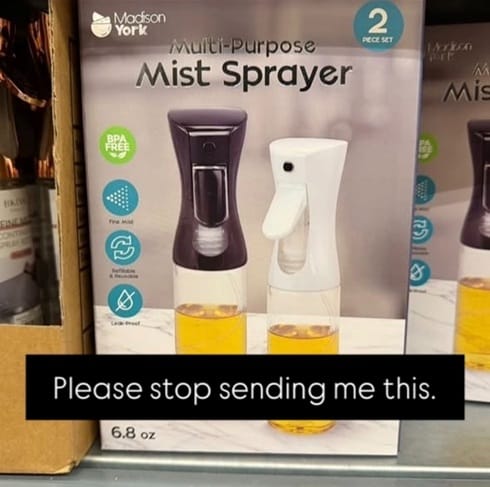
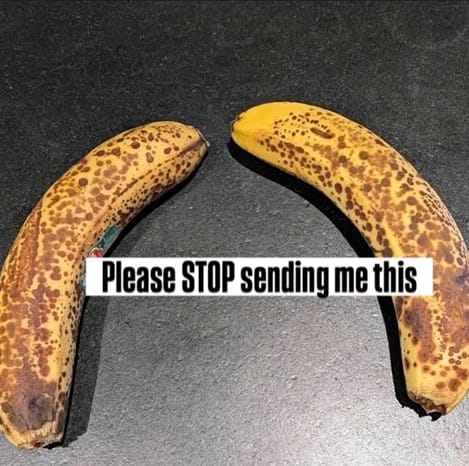
Inzanely Rejected on Instagram posts some of the funniest music memes out there, often about hyped bands like Geese and Angine de Poitrine. Here’s some of their takes on Angine de Poitrine:
The memes more or less break down into three formats.
1) Images with the band name...
2) Images without the band name...

3) And images with a ‘please stop sending this to me’ message...
Coming Up on the Flipside
- August 5th - Infinite Mixtape: Episode 1 - Introduce Yourself - Jeff kicks off our new podcast with a solo episode and a mix made for you, all featuring opening tracks.
- August 12th - Drama Club: Episode 1 - Loudness - Four audio fiction creators talk about getting their voice heard in more ways than one.
- August 12th - EAR•WAX Newsletter, Issue 3
Until then, happy listening!